
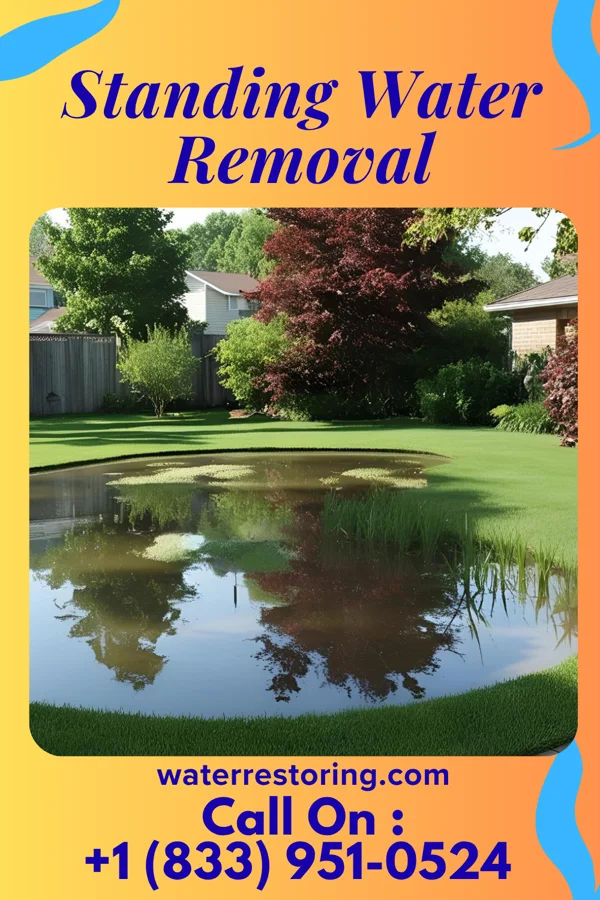
Gibson Standing Water Drivers
Water damage in Gibson tends to cluster in predictable windows because of the local climate. In Gibson, Georgia, primary water damage often stems from heavy rainfall and flooding due to the area's low-lying terrain and proximity to rivers. Additionally, aging infrastructure and occasional sewer backups contribute to water intrusion in residential properties. A close second is Secondary causes include leaking roofs, burst pipes, and groundwater seepage, especially during the wet season. These issues are exacerbated by the rural nature of the area and limited access to emergency services..
Gibson's humid subtropical climate leads to frequent heavy downpours and prolonged periods of high humidity, increasing the risk of water damage. The region's susceptibility to flooding during spring and summer months further compounds these risks.
Gibson's humid subtropical climate leads to frequent heavy downpours and prolonged periods of high humidity, increasing the risk of water damage. The region's susceptibility to flooding during spring and summer months further compounds these risks. The dominant local driver is In Gibson, Georgia, primary water damage often stems from heavy rainfall and flooding due to the area's low-lying terrain and proximity to rivers. Additionally, aging infrastructure and occasional sewer backups contribute to water intrusion in residential properties., with Secondary causes include leaking roofs, burst pipes, and groundwater seepage, especially during the wet season. These issues are exacerbated by the rural nature of the area and limited access to emergency services. showing up as the next most common cause. Damage builds in stages. Spread. Absorption. Microbial growth. Structural compromise. Every stage you pass through adds to the final bill.